
Quick answer
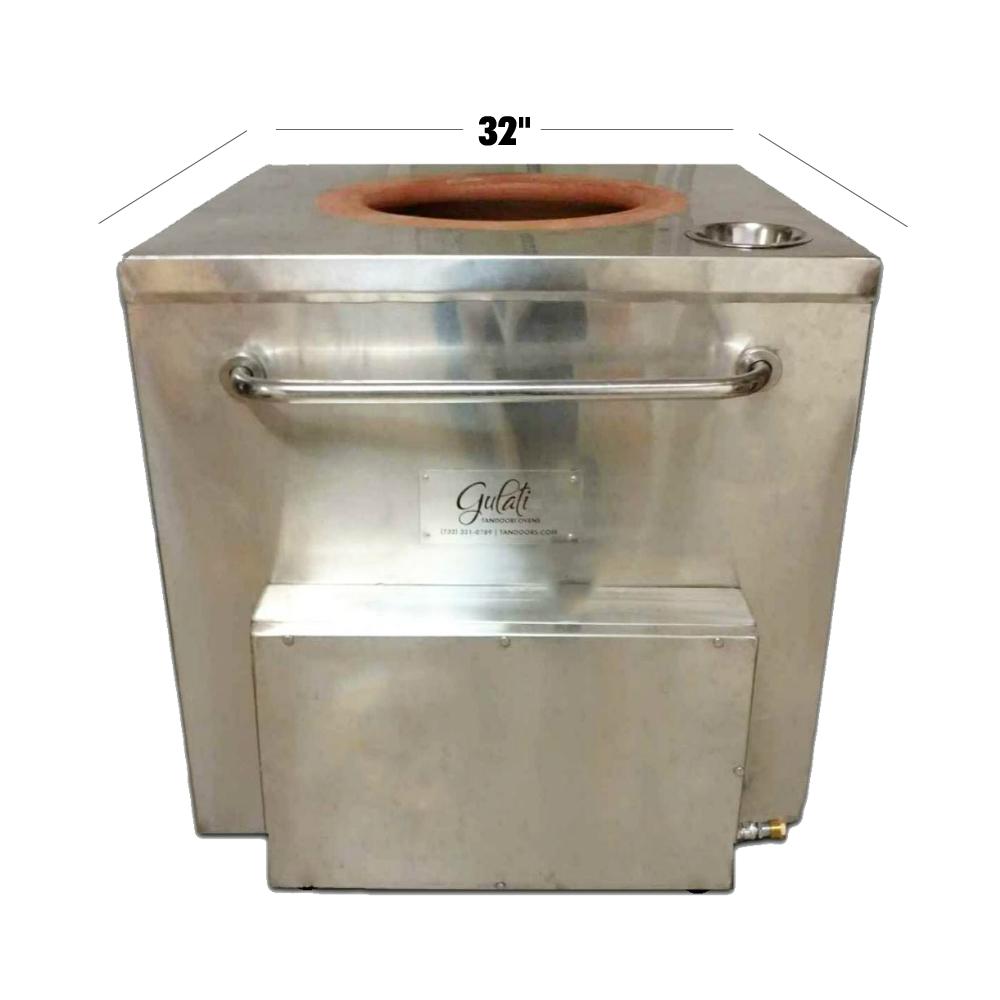
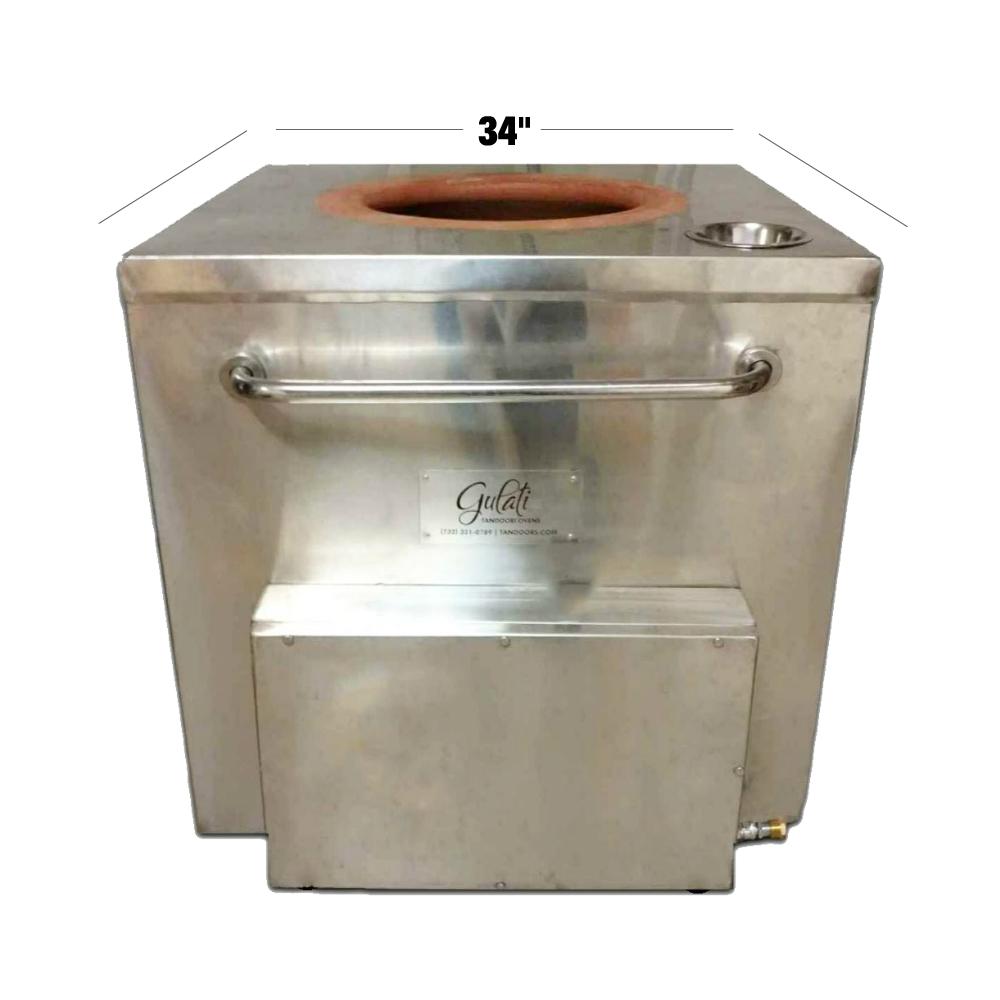
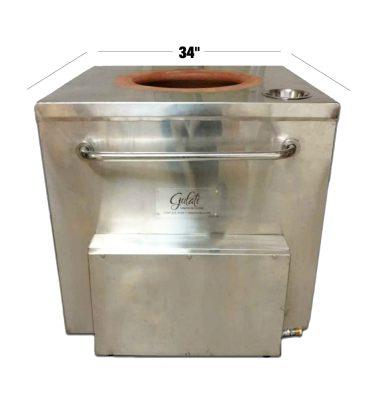
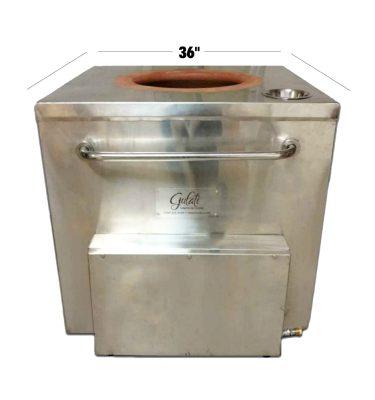
- Restaurants: gas wins for steady heat, quick start-up and simpler ventilation - GULATI NSF tandoors run a 100,000 BTU burner.
- Charcoal gives traditional smoky char and suits lavash, tonir and tannour baking, but adds solid-fuel fire-code rules.
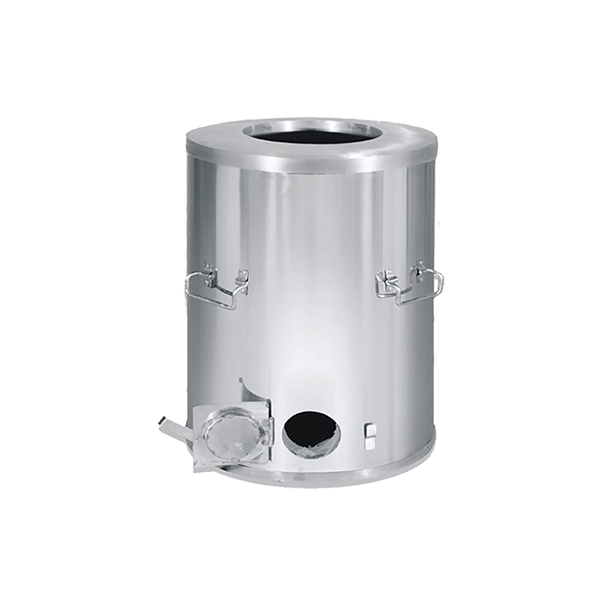
- Home and catering: you don't have to choose - GULATI home and catering tandoors cook on charcoal and take propane or natural gas burners.
For restaurants: why most kitchens choose gas
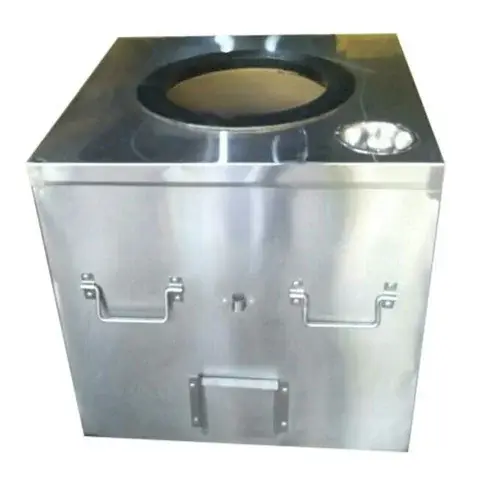
In a commercial kitchen the tandoor has to be ready when the doors open and hold its temperature through the rush. A gas burner does that with the turn of a valve. GULATI NSF restaurant tandoors run a 100,000 BTU natural gas burner (LPG/propane setup available), so heat recovers quickly after the mouth lid comes off and the walls stay hot from the first naan to the last.
Gas also keeps code compliance simpler. A charcoal tandoor is a solid-fuel appliance, and fire codes (NFPA 96) add requirements such as a separate exhaust system, spark arresters, a noncombustible floor around the oven and fuel storage rules. A gas tandoor typically sits on the cookline under your existing grease hood. Our installation guide covers both.
When charcoal is the right call
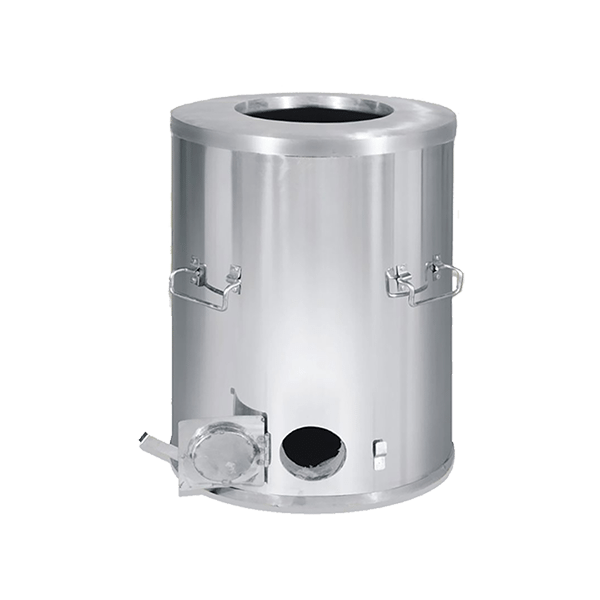
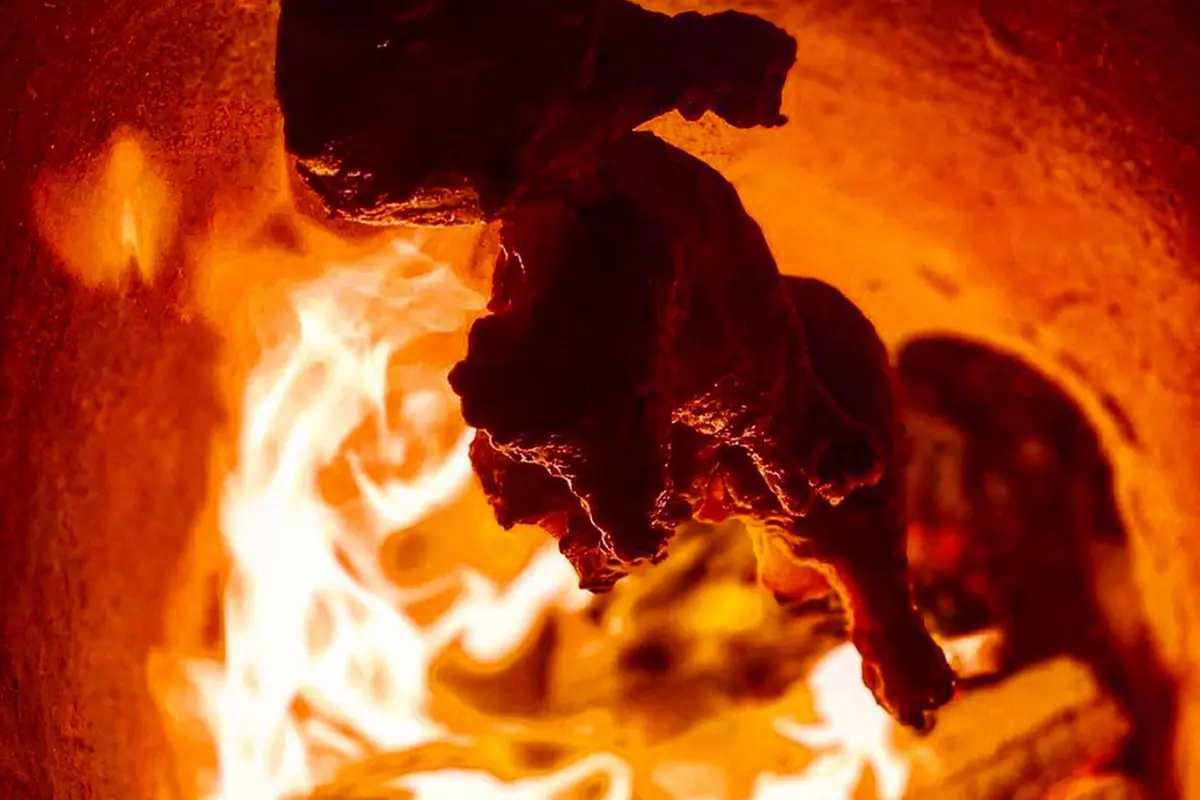
Charcoal is the traditional fuel and many chefs love the smoky char it gives kebabs and breads. It's the natural choice for bread-focused bakeries - Armenian tonir, Arabic tannour, Persian tanur and Central Asian tandir kitchens baking lavash, taftoon and naan - and for outdoor cooking. GULATI's 34″ and 36″ charcoal tandoors are built to NSF/ANSI 4 with a high-heat clay interior and heavy-duty stainless steel body.
Side by side
| Gas tandoor | Charcoal tandoor | |
|---|---|---|
| Heat | Steady, adjustable, fast recovery | Very hot, varies as fuel burns down |
| Flavor | Clean, classic tandoor char from the clay | Added smoky char |
| Start-up | Quick - light the burner | Light and build the charcoal bed |
| Daily work | Minimal | Ash removal and fuel handling |
| Restaurant codes | Standard commercial hood and gas line | Solid-fuel rules (NFPA 96): separate exhaust, spark arresters, floor protection |
| GULATI models | 26″, 30″, 32″, 34″, 36″, 34″ steel pot | 34″, 36″ |
For catering: take both
The Pro Catering Tandoor cooks on charcoal out of the box and can be ordered with a propane burner, a natural gas burner or both - so you can cook on whatever the venue allows. It rolls on a 4-wheel trolley with no installation.
For home cooks: start with charcoal, add gas anytime
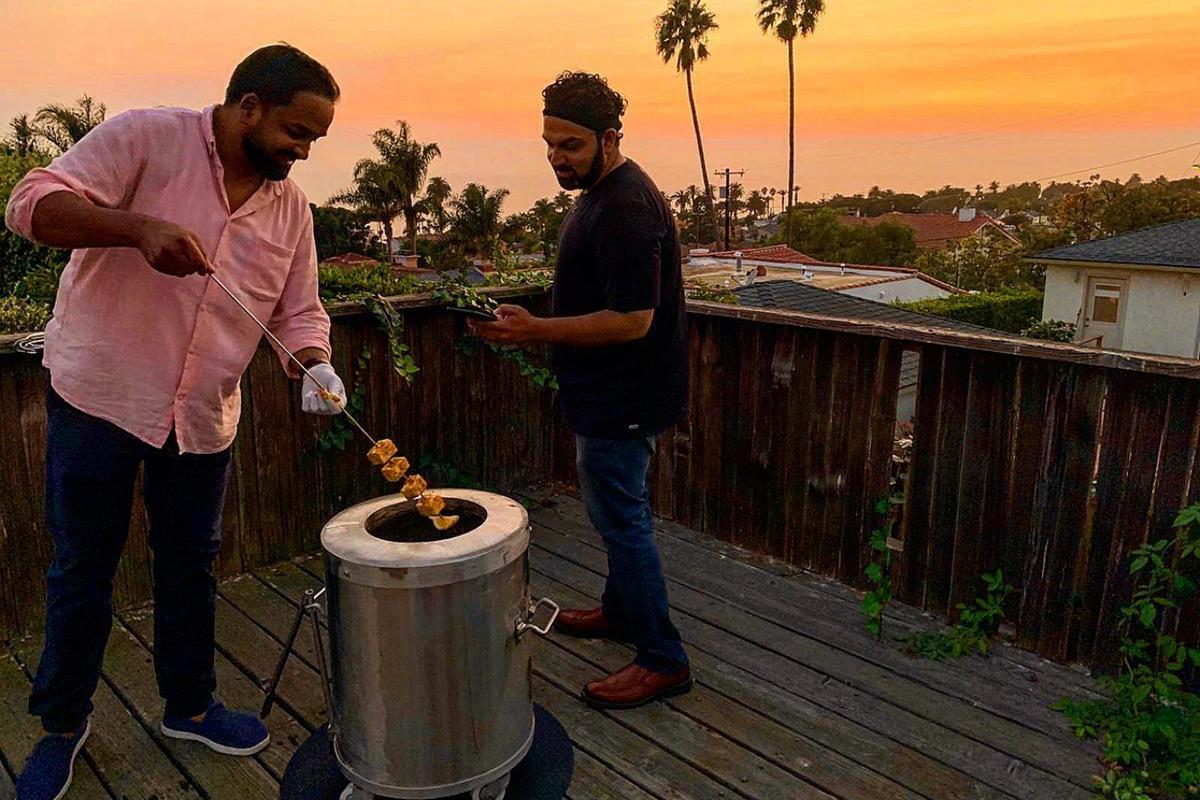
Every GULATI home tandoor cooks on charcoal and takes an optional propane kit (+$250) or natural gas kit (+$300, or +$350 on Jumbo). The burner is detachable, so you can switch back to charcoal for weekend cookouts. Propane is the easy choice if you already run a propane grill; natural gas makes sense if your patio has a gas line. For charcoal, CHARBLOX dense hardwood blocks stay lit up to 5 hours - about 5-6 lb per tandoor session. See the home tandoor buying guide for sizes.
Not sure which fuel fits your kitchen? Answer a few questions and we'll point you to the model.