Quick answer
- Health inspectors look for NSF/ANSI 4 on commercial cooking equipment - GULATI restaurant tandoors are built to it.
- Tandoors go under an exhaust hood; charcoal (solid-fuel) tandoors carry extra NFPA 96 rules such as a separate exhaust and spark arresters.
- A 100,000 BTU tandoor draws roughly 97 cubic feet of natural gas per hour (about 40 on propane) - have a licensed gas fitter size the line.
- Your local health department, fire marshal and building department have the final say.
Opening a tandoor station means satisfying three people: the health inspector, the fire marshal and the gas inspector. This guide covers what each one typically looks for so there are no surprises on inspection day. Codes vary by city and state and are updated regularly, so treat this as a planning checklist and confirm the details with your local authority having jurisdiction (AHJ) and your licensed contractors.
Health department: NSF/ANSI 4
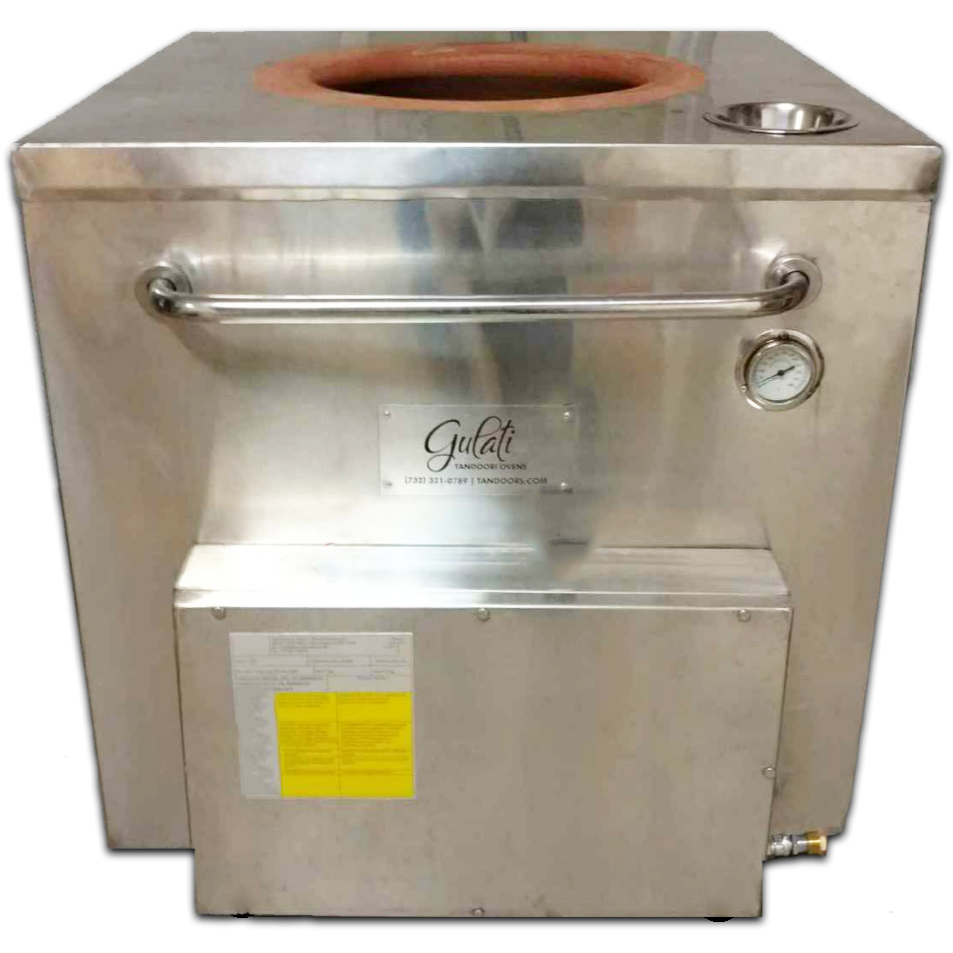
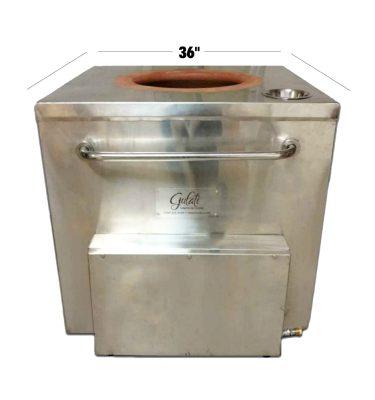
NSF/ANSI 4 is the national standard for commercial cooking equipment. It sets food-protection and sanitation requirements for the materials, design, construction and performance of equipment such as ovens, ranges and broilers, so surfaces can be cleaned and kept sanitary. Health inspectors rely on it when they approve kitchen equipment. Every GULATI restaurant tandoor is built to NSF/ANSI 4.
Two things to know: NSF/ANSI 4 is a sanitation standard, not a gas or electrical safety standard; and while NSF equipment is what inspectors expect, approval is always your local health department's decision. Send them the model and size when you submit your kitchen plans.
Fire code: the exhaust hood
Restaurant tandoors should be installed under an exhaust hood as required by national and local codes. What kind depends on the fuel:
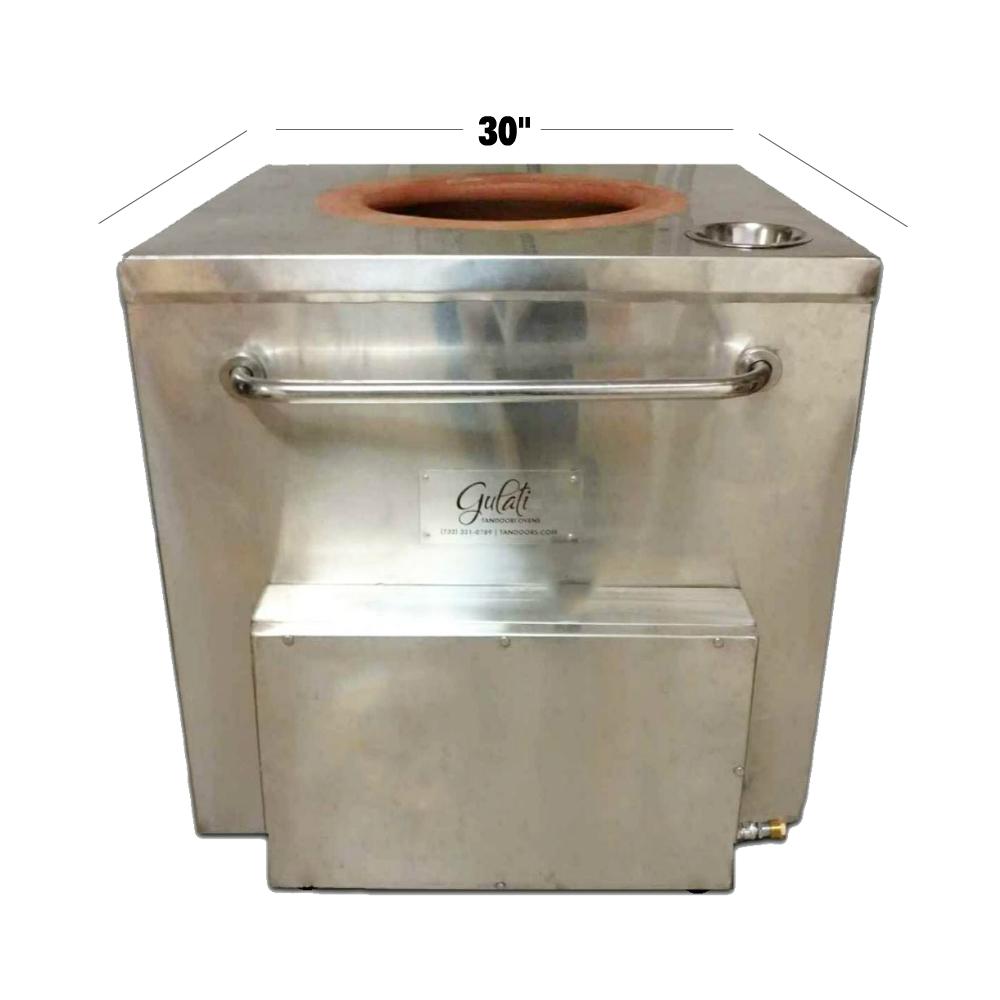
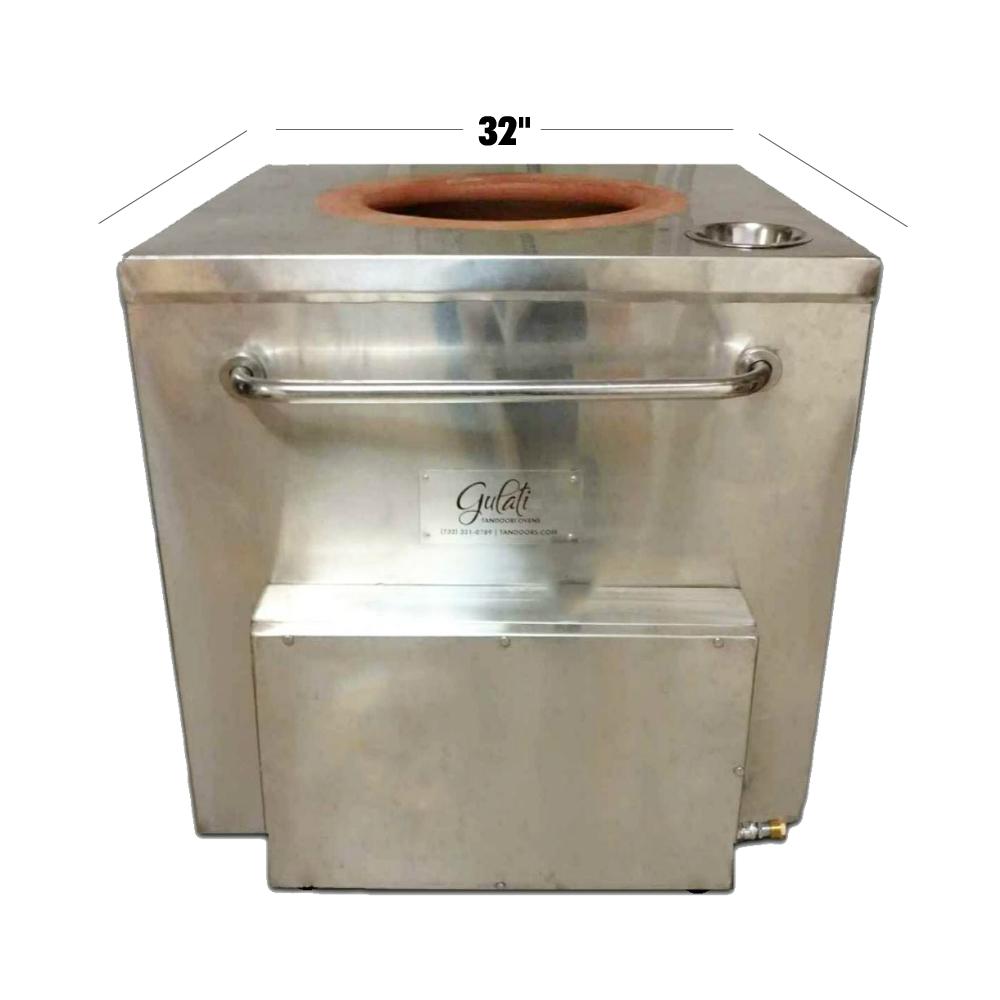
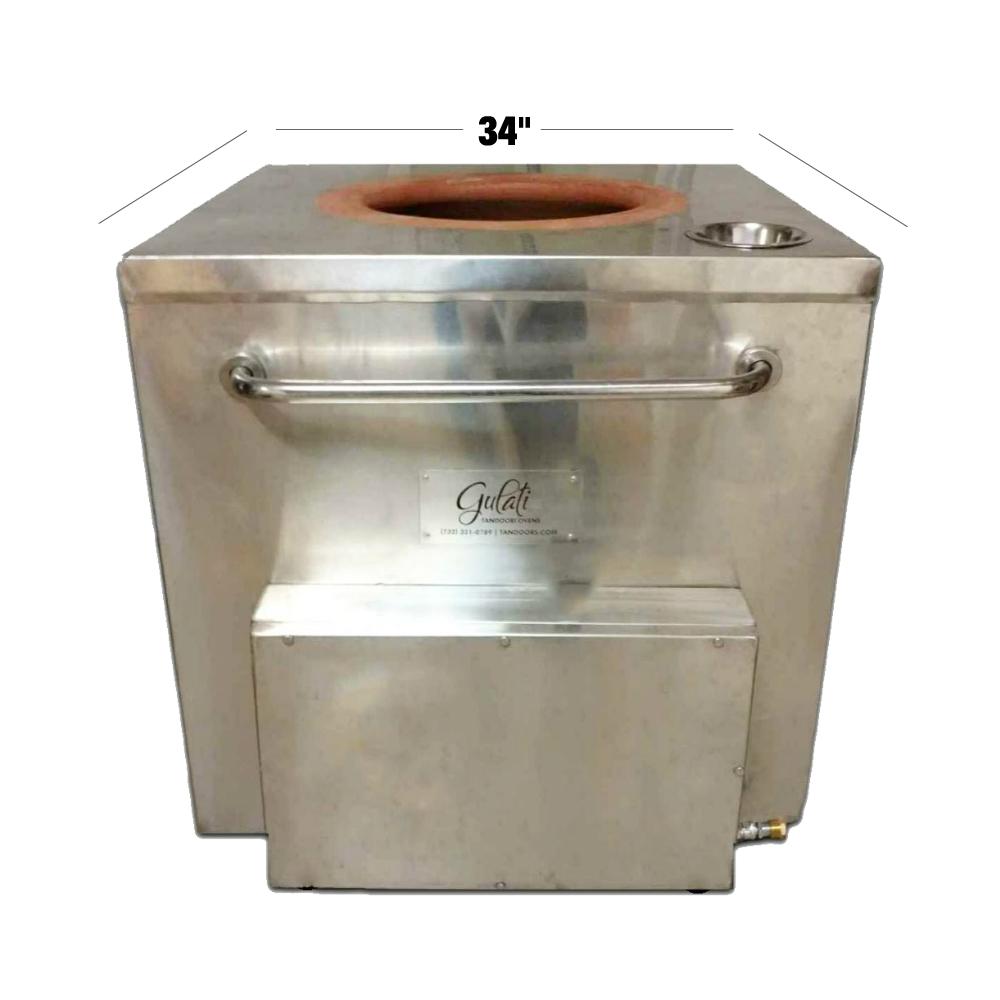
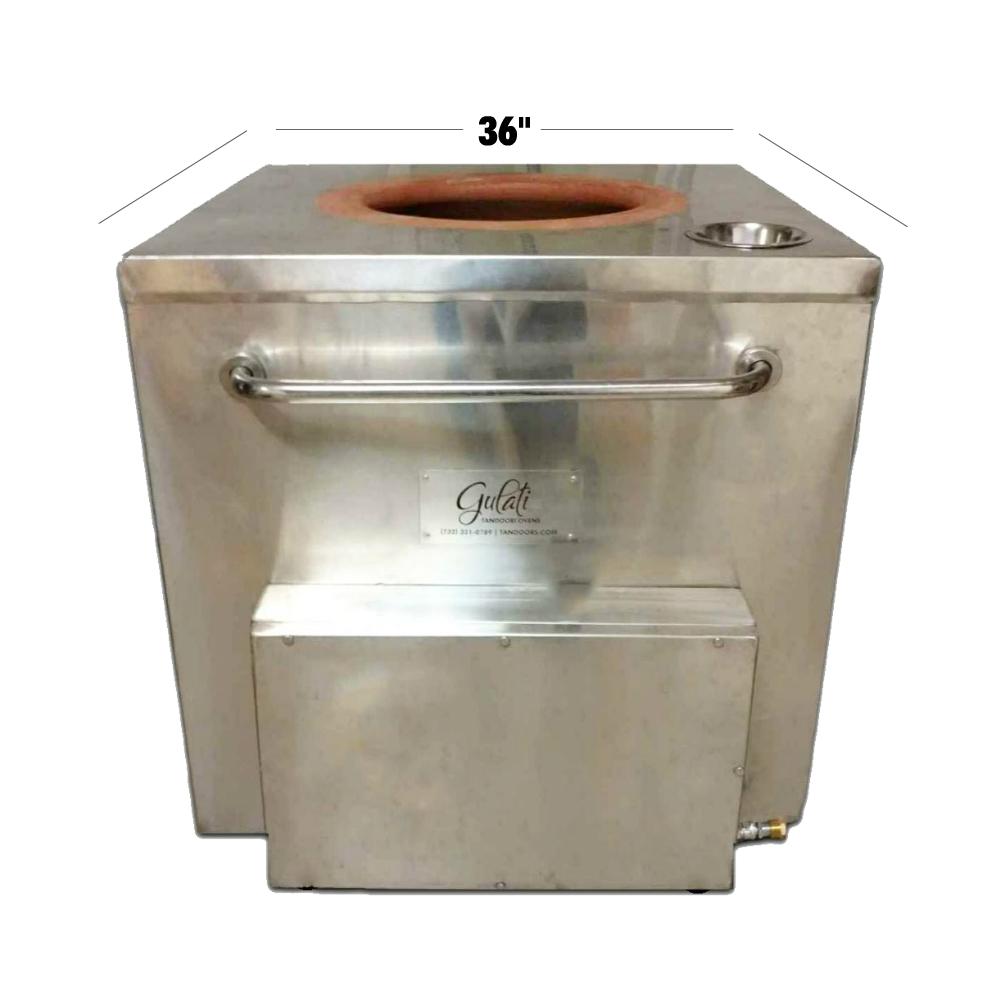
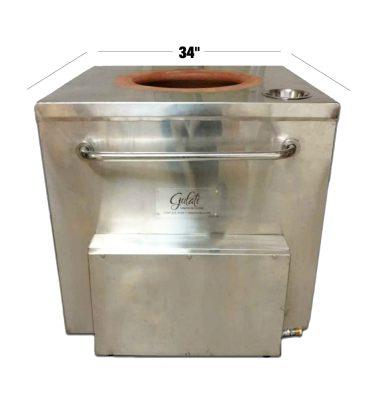
- Gas tandoors (like the GULATI 32″, 34″ and 36″ NSF models with 100,000 BTU burners) are typically installed on the cookline under the kitchen's commercial grease hood with its fire-suppression system. Make sure the hood is sized to capture the heat coming off the tandoor mouth.
- Charcoal tandoors are solid-fuel cooking appliances. NFPA 96, the fire code for commercial kitchen ventilation, adds requirements for solid fuel, including a separate exhaust system from other cooking equipment, spark arresters to stop embers entering the ductwork, a noncombustible floor extending 3 feet around the appliance unless it is listed for less, a suitable fire extinguisher nearby, and rules for storing fuel. If you want charcoal flavor, plan for these from the start.
Gas line: size it for 100,000 BTU
Gas piping is sized in cubic feet per hour, not BTU. Natural gas carries roughly 1,000-1,030 BTU per cubic foot, so a 100,000 BTU tandoor needs about 97 cubic feet per hour; propane carries about 2,500 BTU per cubic foot, or about 40 cubic feet per hour. The pipe size also depends on the length of the run, the number of fittings and everything else on the same line, so your licensed gas fitter should size it to the fuel gas code your city has adopted and pull the permit.
GULATI NSF tandoors come set up for natural gas and can be set up for LPG/propane on request. Order the fuel you will actually use: burners are built differently for each gas, and running natural gas parts on propane can cause an oversized flame, soot and carbon monoxide.
Placement and delivery day
- Doorways: the tandoor arrives in one piece. Measure every doorway on the route - see our commercial tandoor sizing guide.
- Floor and clearance: set the tandoor on a level, noncombustible floor with clearance to walls and other equipment as your inspector requires.
- Height: every GULATI NSF tandoor is 37″ tall - plan your hood and counters around it.
Before the first service: cure the clay
A new clay tandoor must be seasoned with gradual, increasing heat before it cooks at full temperature; skipping it is a common cause of cracked clay. Follow our step-by-step How to Prepare a GULATI Tandoor for Use. Every NSF tandoor ships with a set of repair clay for touch-ups.
Installation checklist
- Tandoor model and size listed on your kitchen plans for the health department (NSF/ANSI 4)
- Exhaust hood confirmed with your hood contractor and fire marshal (solid-fuel rules for charcoal)
- Gas line sized and permitted by a licensed gas fitter; correct fuel ordered
- Delivery route measured; noncombustible floor and clearances ready
- Curing scheduled before opening day
Questions about your space? We've sized tandoors for thousands of kitchens since 1993.